What Should Manufacturers Consider When Expanding Metal Fabrication Capacity?
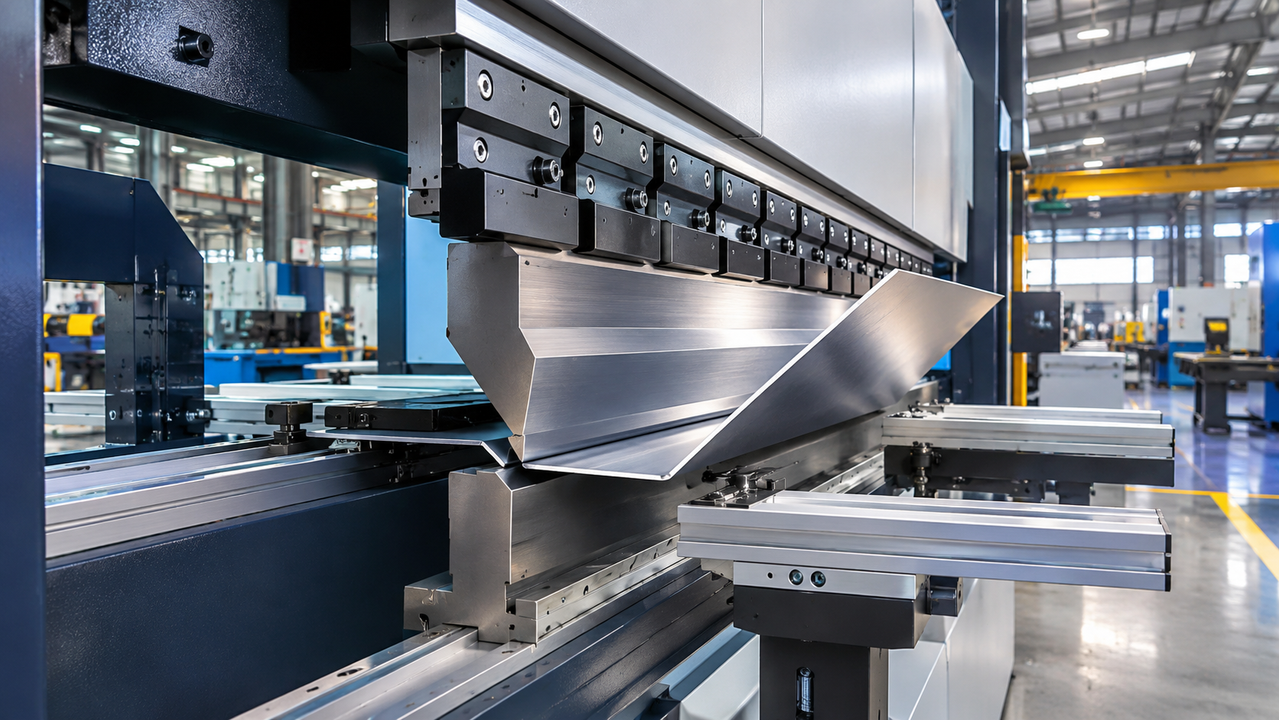
Expanding metal fabrication capacity is a significant step for manufacturers aiming to meet growing demand or diversify their product offerings. The decision involves more than just acquiring new machinery or increasing workforce size; it requires a thorough examination of operational, safety, and quality factors. Addressing common challenges and implementing strategic solutions can prevent costly mistakes and establish a foundation for sustainable growth.
Manufacturers face a variety of obstacles during capacity expansion, including equipment integration, workforce training, and process optimization. By focusing on troubleshooting and problem-solving, companies can identify root causes of inefficiencies and develop tailored strategies that improve productivity and maintain high standards. This article explores essential considerations that manufacturers must evaluate when expanding metal fabrication capacity to ensure successful outcomes.
What Should Manufacturers Consider When Expanding Metal Fabrication Capacity?
Identifying Operational Bottlenecks
One of the first steps in expanding metal fabrication capacity is to identify existing operational bottlenecks that could hinder growth. These may include equipment downtime, slow changeover times, or material handling inefficiencies. A detailed analysis helps pinpoint the root causes, enabling manufacturers to target investments where they will have the greatest impact.
For example, if the current press brake setup causes delays due to manual adjustments, upgrading to advanced automated systems can streamline workflow. Incorporating sheet metal automation - Shenchong solutions can enhance precision and reduce cycle times, ultimately increasing throughput without sacrificing quality.
Failing to address these bottlenecks early often results in underutilized capacity and increased lead times, negating the benefits of expansion efforts. Manufacturers should conduct thorough process mapping and gather input from frontline operators to ensure a comprehensive understanding of constraints.
Balancing Workforce Skills and Training Needs
Expanding capacity is not solely about machines; it demands a workforce capable of operating new technologies and maintaining consistent quality standards. Manufacturers must assess current skill levels and plan for training programs that align with upgraded equipment and processes. Without adequate preparation, the risk of errors and accidents rises significantly.
Cross-training employees can build flexibility and reduce downtime caused by operator absences or skill shortages. Additionally, incorporating safety protocols during training ensures compliance with metal fabrication workflow regulations and helps prevent workplace injuries. Investing in human capital is critical to sustaining increased production volumes effectively.
Manufacturers should also establish clear communication channels that encourage feedback and continuous improvement. This approach fosters a proactive culture where challenges are identified early and resolved collaboratively.
Integrating Advanced Technologies to Prevent Production Issues
Evaluating Equipment Compatibility and Automation
When expanding fabrication capacity, integrating new equipment with existing systems presents a common challenge. Misaligned machinery can cause workflow disruptions and quality inconsistencies. Careful planning is essential to select compatible technologies that complement current operations and facilitate smooth transitions.
Automation plays a key role in reducing manual intervention and increasing repeatability. For instance, adopting automated loading and unloading systems alongside press brakes can minimize handling errors and improve cycle efficiency. Exploring options like robotic bending integration allows manufacturers to scale production while maintaining tight tolerances.
Proper equipment calibration and maintenance schedules should be established to avoid unexpected breakdowns, which can stall the entire production line. Early collaboration with suppliers and technical experts helps ensure seamless system integration and long-term reliability.
Ensuring Compliance with Safety Standards
Expanding metal fabrication capacity brings increased risks unless safety standards are rigorously enforced. Manufacturers must evaluate potential hazards associated with new machinery and workflows to implement appropriate safeguards. This includes guarding hazardous motions and providing emergency stop mechanisms according to regulatory requirements.
Regular audits and employee training on metal fabrication safety standards are necessary to maintain a safe work environment. Adopting best practices reduces the likelihood of accidents that could cause costly downtime or legal complications. Integrating safety considerations early in the expansion process avoids retrofitting challenges and promotes operational continuity.
Clear documentation and accessible safety protocols empower workers to identify risks promptly and respond effectively, supporting a culture of safety that scales with capacity growth.
Addressing Quality Control Challenges During Scale-Up
Maintaining Precision Amid Increased Throughput
Capacity expansion often pressures quality control systems due to higher production volumes. Manufacturers must implement measures that preserve metal bending accuracy and consistency despite faster output rates. Failure to do so can result in increased scrap rates and customer dissatisfaction.
Advanced monitoring tools and real-time inspection technologies help detect deviations early in the fabrication process. For example, precise bend allowance calculation and bending angle correction techniques ensure dimensional accuracy even when switching between different batch sizes. Investing in quality assurance systems supports defect prevention rather than reactive rework.
Collaborating with experienced metal fabrication partners can provide valuable insights into process optimization and error mitigation. Such partnerships enhance capability without compromising standards during periods of rapid growth.
Streamlining Workflow to Minimize Errors
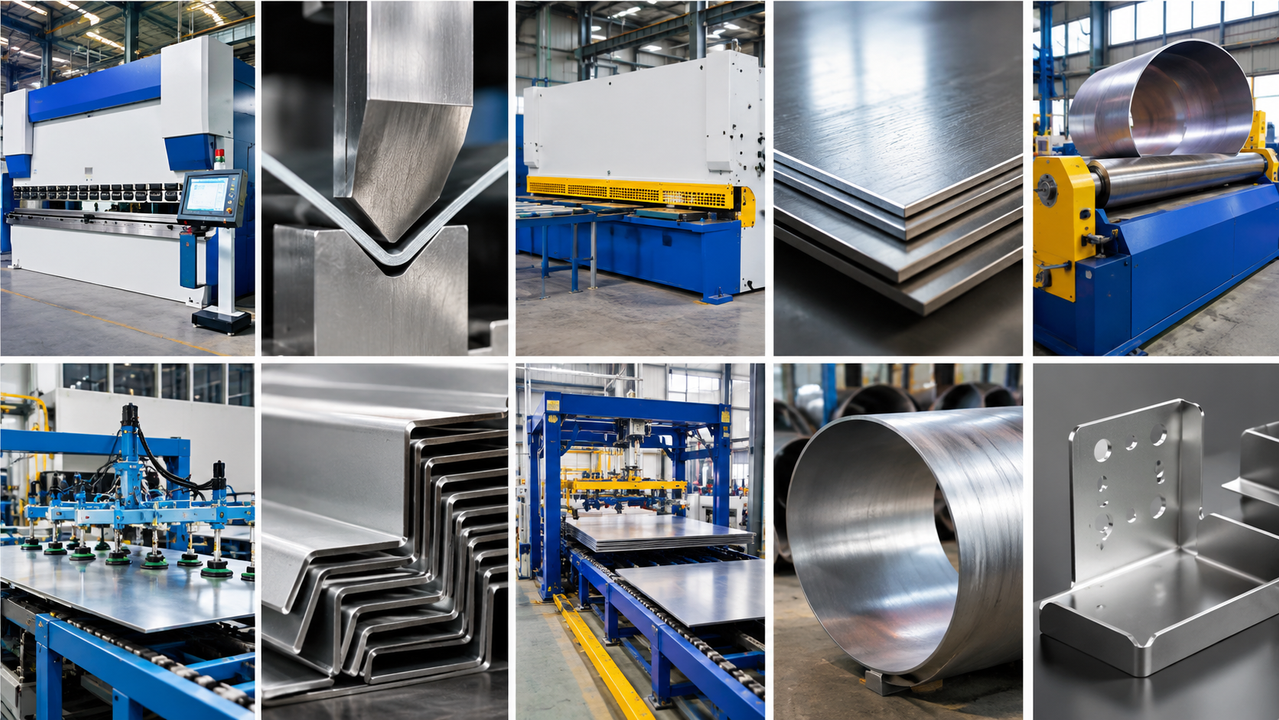
Complex workflows increase the risk of mistakes when capacity expands. Manufacturers should analyze each step to eliminate redundant tasks and simplify material flow. This reduces operator fatigue and creates clearer accountability, improving overall process reliability.
Implementing standardized procedures and clear visual aids helps maintain consistent output across shifts and teams. Digital tracking of progress through manufacturing execution systems allows supervisors to identify and address issues promptly. These approaches contribute to smoother scaling and higher customer satisfaction.
Continual refinement based on performance data ensures that workflow improvements evolve alongside capacity changes rather than becoming obsolete.
Securing Lasting Outcomes Through Strategic Planning
Aligning Expansion Goals with Market Demand
Manufacturers should ground capacity expansion plans in realistic market analysis to avoid overinvestment or underutilization. Understanding customer needs and anticipated order volumes guides decisions on equipment sizing, staffing, and facility layout. This alignment ensures that increased capacity translates into competitive advantage and profitability.
Regularly revisiting these projections allows adjustments in response to market fluctuations. Flexible expansion strategies, such as modular equipment additions or scalable automation, help manufacturers respond dynamically without extensive downtime or capital expenditure.
Incorporating customer feedback into product development and delivery timelines enhances responsiveness and strengthens business relationships during growth phases.
Implementing Continuous Improvement Practices
Long-term success requires embedding continuous improvement methodologies like Lean or Six Sigma into the expanded fabrication operations. These frameworks foster systematic identification and elimination of waste, variation, and inefficiencies. This proactive stance helps manufacturers adapt to evolving challenges and refine capacity utilization over time.
Regular performance reviews and employee engagement initiatives support a culture where problem-solving is ongoing rather than episodic. Technology upgrades, process adjustments, and workforce development become integrated components of daily operations, ensuring sustained gains from expansion efforts.
By treating capacity growth as a dynamic process rather than a one-time event, manufacturers position themselves to thrive amid changing industry demands and competitive pressures.
Investing in Robust Supply Chain Management
Expanding metal fabrication capacity places additional demands on supply chains that must be managed carefully to prevent delays or material shortages. Manufacturers should strengthen relationships with reliable suppliers and consider diversifying sources to mitigate risk. Transparent communication and precise forecasting improve inventory control and reduce excess stock.
Adopting technologies that enhance supply chain visibility allows real-time tracking of orders and deliveries. This facilitates timely adjustments and prevents disruptions that could stall production. Effective supply chain management complements internal capacity expansion by ensuring materials flow aligns with increased output.
Manufacturers that integrate supply chain considerations into expansion planning create a more resilient operation capable of sustaining growth without compromising deadlines or quality.
Taking Action: Strategies for Sustainable Metal Fabrication Growth
What should manufacturers consider when expanding metal fabrication capacity? Beyond equipment acquisition, the process demands a comprehensive approach that addresses operational bottlenecks, workforce readiness, technology integration, safety compliance, and quality assurance. Each challenge requires root cause analysis and targeted solutions to prevent costly errors and downtime.
By aligning expansion efforts with market realities, embracing continuous improvement, and managing supply chains effectively, manufacturers can secure lasting benefits. These strategies ensure that increased capacity translates into higher productivity, better product quality, and enhanced competitiveness. Manufacturers prepared to tackle these considerations proactively will navigate the complexities of growth with confidence and resilience.
Ultimately, success in expanding metal fabrication capacity depends on deliberate planning and disciplined execution that prioritizes problem-solving at every stage.
SHENCHONG
Wuxi Shenchong Forging Machine Co., Ltd.
Tianshun Road, Yangshan Industrial Park, Wuxi, Jiangsu, China 214156
Email: info@shenchong.com
Phone: +86-158-9507-5134
Whatsapp/Wechat: +86-158-9507-5134


Comments
Post a Comment